Investment Team
Precise market insights and efficient execution to help projects land quickly
Recently Active Daily Active
Call
Precise market insights and efficient execution to help projects land quickly
Recently Active Daily Active
Call
Precise market insights and efficient execution to help projects land quickly
Recently Active Daily Active
Call
| Name | Floor Space | Unit Price | Floor Level | Height |
|---|
|
Merchants have not yet released any carrier information
| Name | Floor Space | Unit Price | Floor Level | Height |
|---|
|
Merchants have not yet released any carrier information
Park Overview
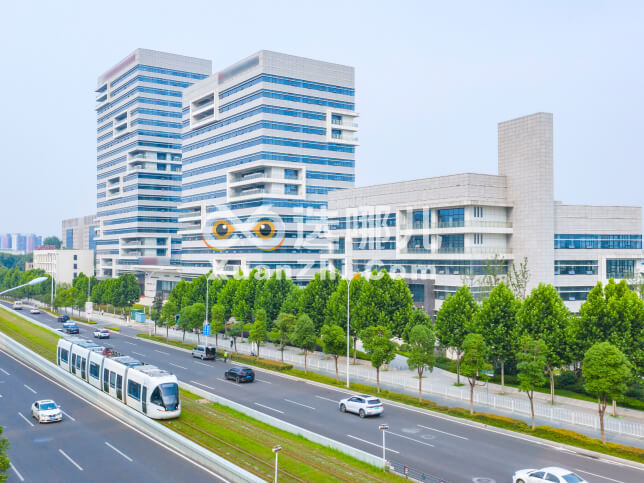
The Ziyang Airport Economic Zone covers a planned area of 99 square kilometers (with Ziyang City having additionally designated a 192-square-kilometer coordinated development zone), of which 35 square kilometers is designated for urban construction. Located to the north and on the eastern and western sides of Ziyang’s main urban area, the Ziyang Airport Economic Zone is positioned as a national-level international aviation hub, a national-level demonstration zone for inland airport economic development, a major modern airport city in western China, and a key innovation and entrepreneurship base in the region.
The Ziyang Aerotropolis serves as a vital platform for the integration of Chengdu and Ziyang and for inland opening-up. It is a key vehicle for the “Chengdu-Chongqing Manufacturing Core Zone, Modern Service Industry Cluster, and Inland Opening-up Frontier Zone,” as well as a catalyst and growth pole driving Ziyang’s new leap forward. The zone will prioritize the development of aerotropolis-oriented industries such as aviation manufacturing, high-end business services, and tourism and leisure.
Development Goals: By 2020, supporting facilities such as transportation, port logistics, and business services will be completed in tandem with Chengdu Tianfu International Airport, creating relatively comprehensive conditions for enterprise relocation; the initial development zone will be largely completed, functional clusters will take preliminary shape, and the regional ecological system and ecological red lines will be fundamentally consolidated.By 2030, an industrial system dominated by airport-oriented manufacturing, comprehensive airport-related services, and high-end model agriculture will be established; airport-oriented industrial clusters will be cultivated; world-class infrastructure and public service facilities will be built; and a national-level airport economy demonstration zone will be created.